
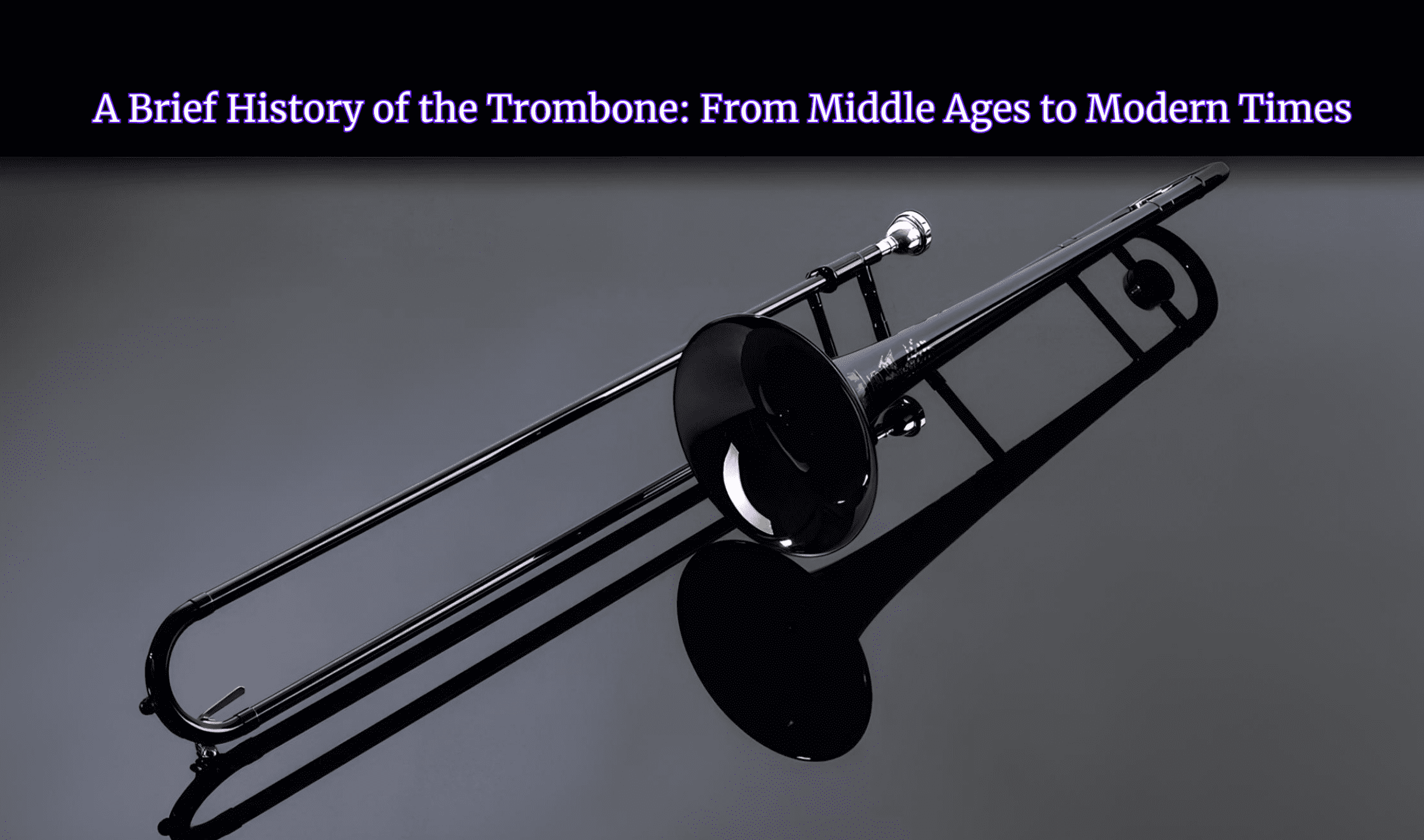
A Brief History of the Trombone: From Middle Ages to Modern Times


The trombone takes a special place in the brass instrument family as it uses a telescoping slide mechanism to change the pitch. Its history stretches back over centuries. In this article, we will explore the trombone’s legendary evolution from the Middle Ages to modern times.
Middle Ages
The history of the trombone began in the late Middle Ages, around the 15th century, however back then it was known under the name “sackbut” meaning “push-pull,” and referring to the slide mechanism — a distinctive feature of the modern instrument. While first trumpets fully relied on buzzing lips, the sackbut offered smooth gliding between notes.
Sackbuts of that time featured a long, slender design, with a flared bell. They were first used in religious contexts, especially to support choirs in cathedrals and monasteries. There, they blended with voices with excellent projection allowing their sound to be heard in large spaces.
If you look at the paintings and iconography from that era, you can find sackbuts in depictions of angelic musicians. It emphasized the instrument’s spiritual aura. Soon their use expanded — municipal bands from Antwerp, Venice, and Nuremberg started to use these instruments during sacred processions, festivals, and civic ceremonies.

Renaissance
During the Renaissance the trombone wasn’t limited only to churches. The trombone family significantly expanded offering instruments of various sizes from alto to bass. Composers started to write parts and polyphonic pieces featuring this instrument. They often included multiple trombones harmonizing with choirs and creating solemn timbres. When paired with other voices, trombones created rich and layered textures.
The variety of trombone sizes helped ensembles to cover a wide pitch range. Trombones of the Renaissance era relied heavily on precise breath control and slide technique, which set a high status of the instrument. In Germany, in this period, musicians began to use trombones for outdoor festivities, civic ceremonies, and military music.
Baroque
During the Baroque era, the trombone was highly appreciated for its ability to create a dramatic effect. Monteverdi and Schütz used it to reinforce vocal lines. They incorporated trombones into orchestral and choral settings where their mellow tones both underscored a tragic aria and amplified a climactic chorus. All of this added emotional depth to music.
Classical period
By the late 18th century, the trombone made its way to standard symphonic orchestras. Composers like Mozart and Haydn used it to bring a dramatic effect to sacred scenes in operas as well as to highlight heroic passages in symphonies. In symphonic settings, trombones worked well to create climactic passages. As the instrument’s slide mechanism required precise coordination, it was quite challenging to integrate it with rapid orchestral lines.

Romantic Era
The 19th century became a golden era for trombones. Orchestras were getting bigger and required a wider expressive range. Composers such as Berlioz, Wagner, and Mahler experimented with this instrument to explore dramatic and lyrical melodies. Wagner used the trombone in his operas where he explored supernatural or martial themes. The instrument effectively conveyed the vibe of warriors and destiny. The trombone of the Romantic era featured more refined slides and bells, allowing musicians to have better tone and control.
20th Century and Jazz Influence
During the 20th century, the trombone’s musical landscape expanded further as the instrument leapt out of concert halls and took place on streets, clubs, and dance floors. The rise of jazz bands only fueled this process. Jazz trombonists like Tommy Dorsey and J.J. Johnson demonstrated the trombone’s ability to work well with fast-tempo passages, glissandi, and improvisational parts that had nothing in common with its previous role in classical music. Trombones found their place in wind ensembles, concert bands, and military bands as they could produce smooth legato, swing, improvise, and provide percussive effects. Depending on the composer’s intent, they could both delight and haunt, opening new dimensions for music.

Modern Times
Today, the trombones still maintain their old charm combined with an innovative approach. They feature slides, precision-machined mechanisms, and ergonomic shapes. All those improvements help musicians convey their emotions through music more easily and with less effort while offering a perfect tone.
Contemporary players incorporate trombones in their music, featuring extreme glissandos and microtonal effects, expanding the sonic landscape of these instruments. They are no longer tied to only symphonic and jazz settings. You can hear trombones in pop and experimental music. Using the same push-and-pull mechanism, modern trombones produce an impressive range of emotions — from powerful heroism to intimacy.
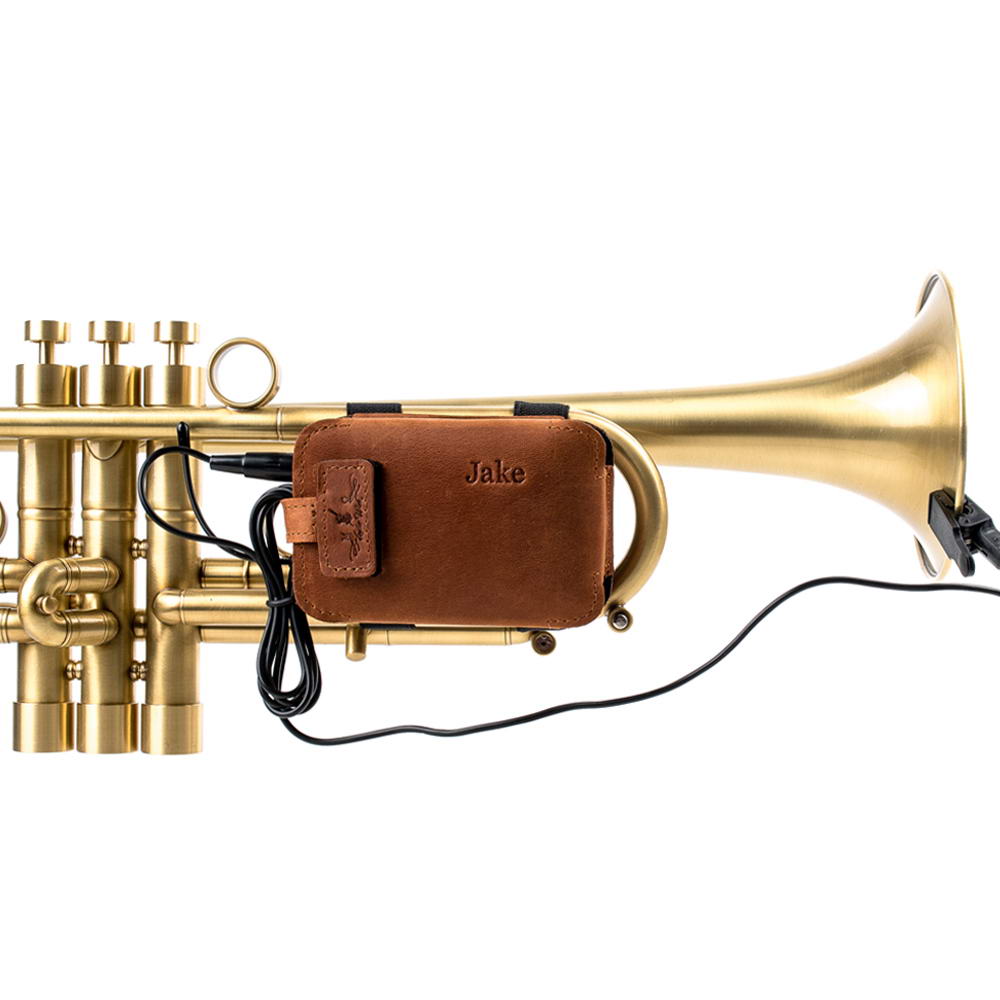
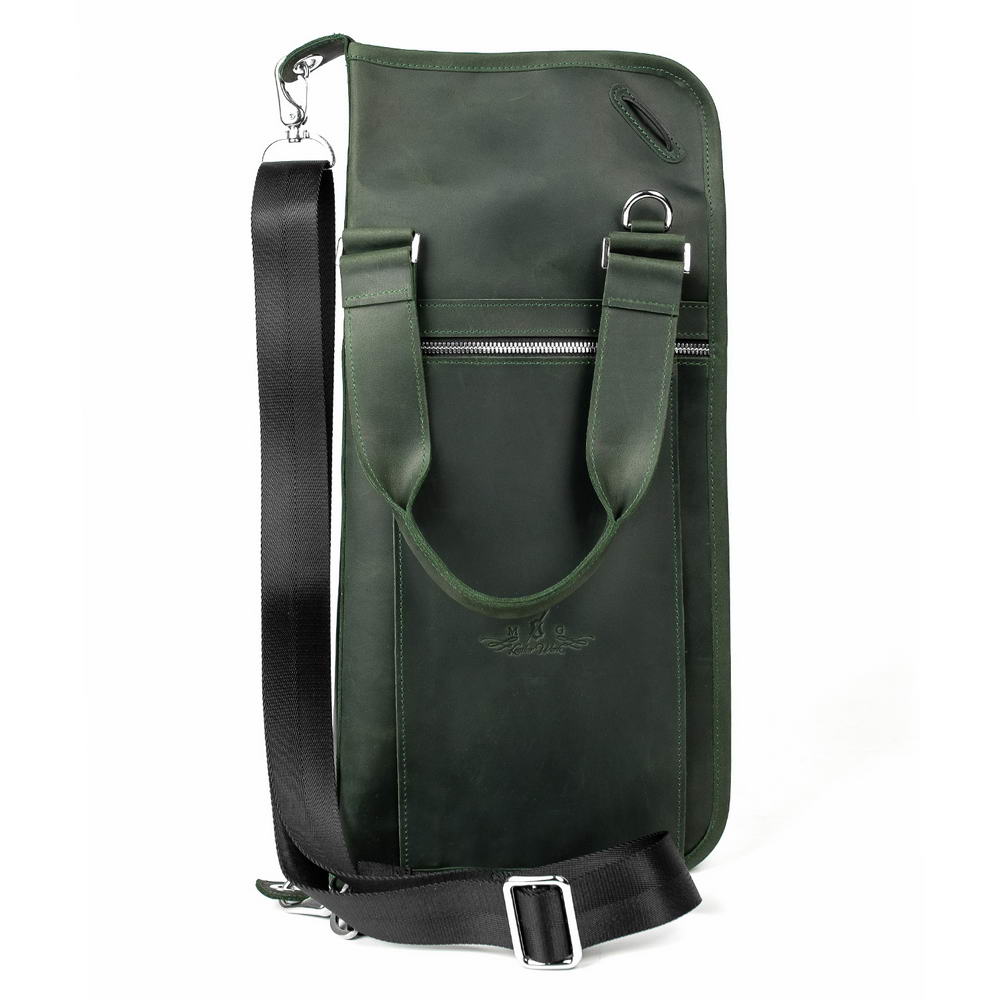
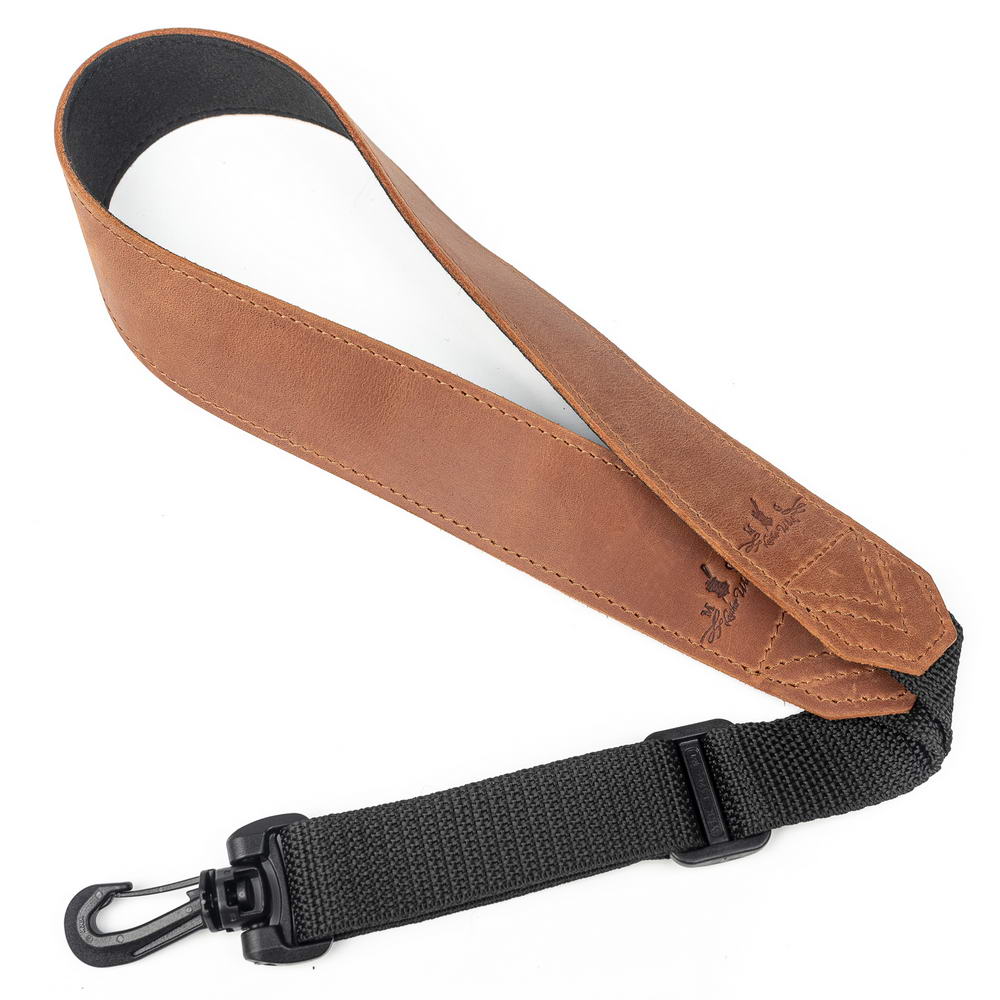
With the improvement of mechanisms and ergonomics of the instrument itself, the range of trombone accessories also expanded. Today you can find everything you need from trombone hand and neck guards to microphone transmitter pouches.

Final Word
The trombone is not just a shiny lacquered finish — it’s a unique storyteller that successfully moved from cathedrals to jazz clubs. Throughout the centuries it faithfully expressed human emotion with its powerful and intimate voice.
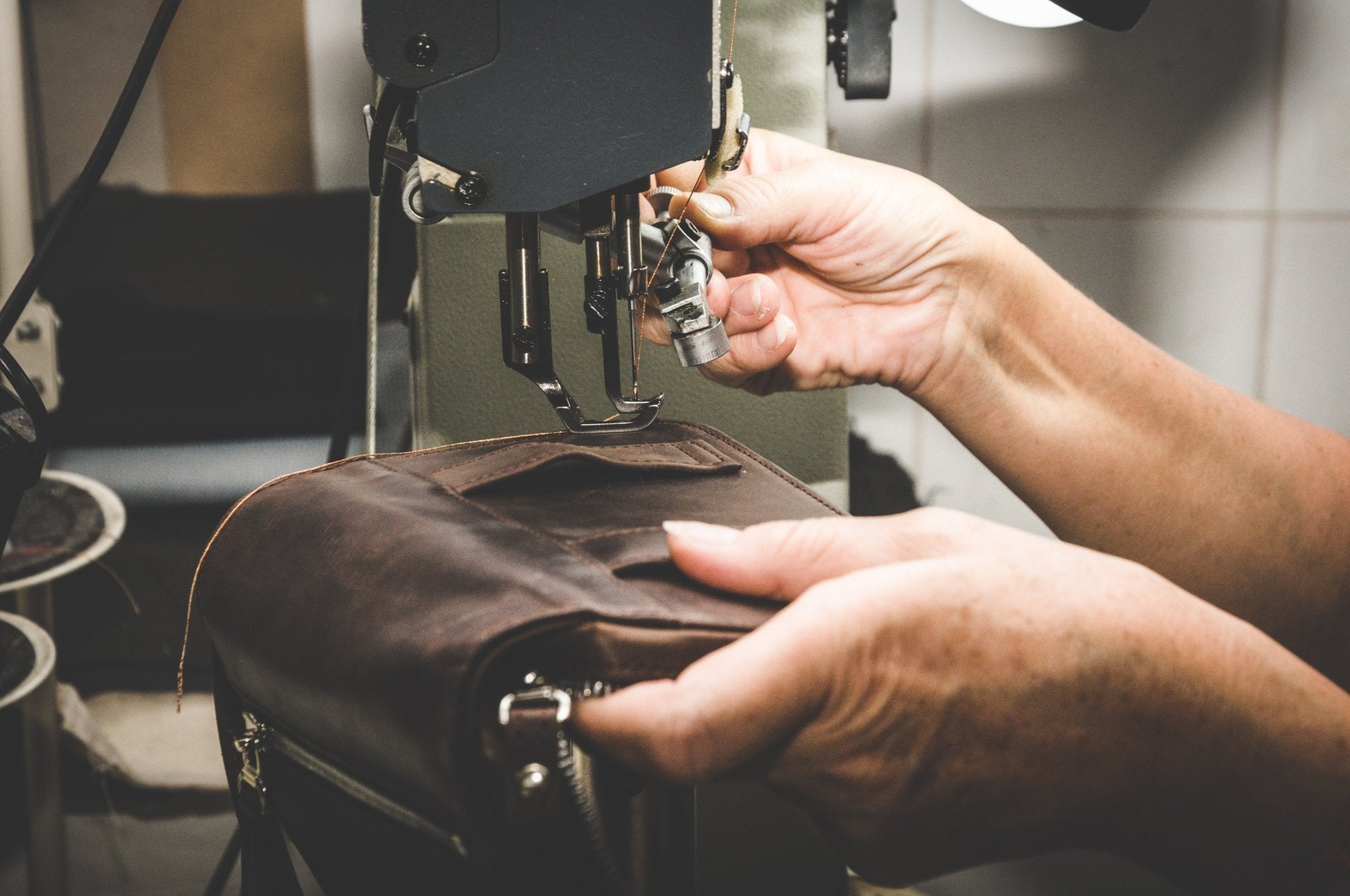
If you’re a trombonist or want to make a gift for a trombone player, feel free to check our collection of Leather Accessories for Trombone & Euphonium.

 https://mgleatherwork.com

Leave a comment
This site is protected by hCaptcha and the hCaptcha Privacy Policy and Terms of Service apply.