

Article: Common Mistakes Beginner Drummers Make
Common Mistakes Beginner Drummers Make
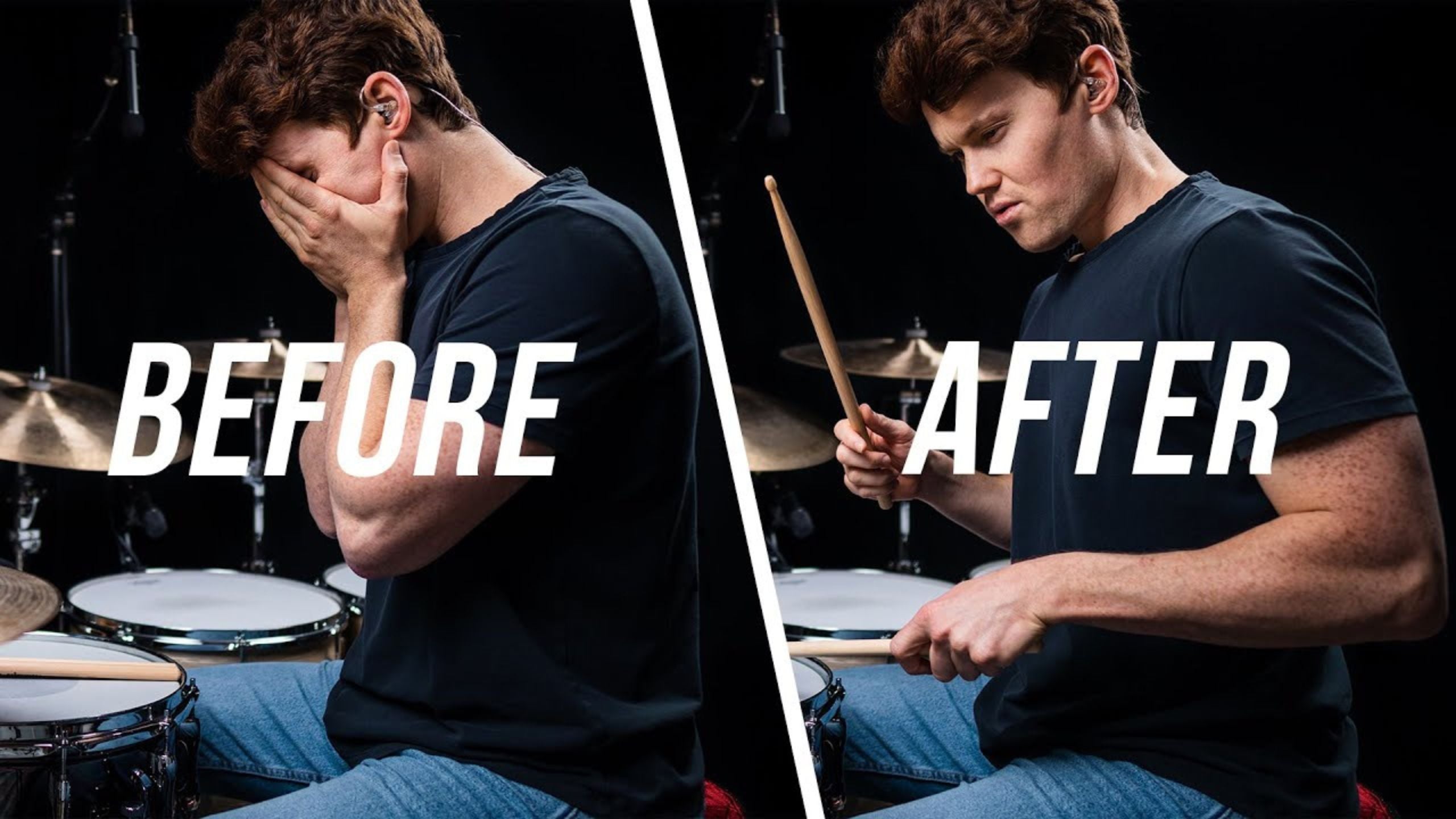
Everyone, despite their age, can master drums if they approach the instrument properly. As a beginner, you are likely to make some mistakes, and that’s part of the process. However, in this article, we break down the most common beginner drummer issues to help you avoid them early on.
- 1. Trying to Impress People with Speed
- 2. Practicing for Hours Without Rest
- 3. Moving on to the Next Session Before You Master a Current One
- 4. Neglecting a Metronome
- 5. Playing Fills with Your Hands
- 6. Sitting Too Close to the Kick Drum
- 7. Not Being Able to Play Relaxed Singles
- 8. Not Recording Yourself
- 9. Believing More Energy Equals More Speed
- 10. Believing That a Great Snare Sound Depends on the Snare Drum
- 11. Taking Drums Too Seriously
- 12. Final Word
Trying to Impress People with Speed
You may consider it the best way to catch people’s attention and gain their respect. The truth is that your technical ability is not the only way to do that. What’s more important is to be able to play drums musically and support the song. So start by practicing slowly, whether you learn a groove or a solo. Literally go note by note without a rush. Before you can play an entire piece in time, you need to play each of its puzzles. Start with a slower tempo and increase it by 1–5 BPM gradually.

Practicing for Hours Without Rest
You can get better results by practicing 10 minutes a day, five days per week. It means you can arrange your practice in a way to make it short but consistent and end up with better skill development results rather than playing for hours, burning out, and then skipping days.
Moving on to the Next Session Before You Master a Current One
Beginners often play a beat once or twice and then move on. This is what separates amateurs from professionals. Beginners typically practice a passage or a beat until they play it right, while professionals practice until they can’t play it wrong. Do not rush. You need to give your muscle memory a good grasp of the material that you play before moving onto the next part.
Neglecting a Metronome
As the main role of a drummer is timekeeping, it’s crucial to play with a metronome right from the start. Once you learn a beat and can play it without mistakes at a slower tempo for 10–20 times in a row, incorporate a metronome and refine your technique. By regularly playing with a metronome, you will avoid the issue of playing some parts slower while others are faster. You will also learn to make your eighth and sixteenth notes even.

Playing Fills with Your Hands
Instead, you need to learn to play them from your head and ears. You don’t need to blast wherever your hands have practiced. You have to play fills that support that specific energetic part of the song. To achieve it, you have to feel what fits best in that moment. So, instead of playing a flurry of notes, choose a particular fill.
Sitting Too Close to the Kick Drum
If you sit too close, you press very hard and bury the beater. This leads to knee pain, especially during long practices or several-hour gigs. It’s equally painful for both 20-year-old drummers and older players. To save your knee, sit a bit further to allow more space, so in this position the energy doesn’t travel up your knee but leaves the beater.

Not Being Able to Play Relaxed Singles
Because of this, you can hardly learn to play without a rush, fluidly, and with good time. Your drumsticks need to move in an arc motion while you play various drums. When playing stiff, you are constantly trying to hit another drum and are afraid of hitting it at the wrong time. However, when your motions are relaxed and your sticks move naturally, it prevents you from shoulder strain and helps pay fluidly.
Not Recording Yourself
By recording yourself, you can see what you need to improve, what sounds good, and what doesn’t. You can use your phone for that and record yourself every time you play a song. It’s a practical alternative for those who don’t have an opportunity for one-to-one lessons and need fair feedback on playing. By recording yourself, you will also have material to see your progress as a musician.

Believing More Energy Equals More Speed
Most beginners believe that the energy comes from playing many fills. Actually, you don’t need to speed up to build energy in a song. You don’t need to use more notes to do it. Slower things often feel bigger; for instance, a busy groove in a verse and a simple groove in the chorus. It happens not because the drummer plays more notes or does it louder. It happens because it creates more space from the drums and lets other instruments shine.
Believing That a Great Snare Sound Depends on the Snare Drum
The truth is that it depends mostly on how you hit it. Of course, the tuning matters, but how hard and where you hit the snare drum shapes the sound. If you tune your drums higher and want to get a loud crack, but you don’t play rim shots or don’t hit it loudly enough, you won’t achieve that. Beginners also frequently deal with a ringing, unfocused sound from the snare. It happens because they don’t hit the drum in the center.

Taking Drums Too Seriously
Of course, all the learning materials and guides matter, but do not forget to incorporate into your playing session a simple jam along to a song. You may not know the drumbeat, but just have fun. Create a new fill or try your drum solo. This will keep you inspired and reinforce your practice.
Final Word
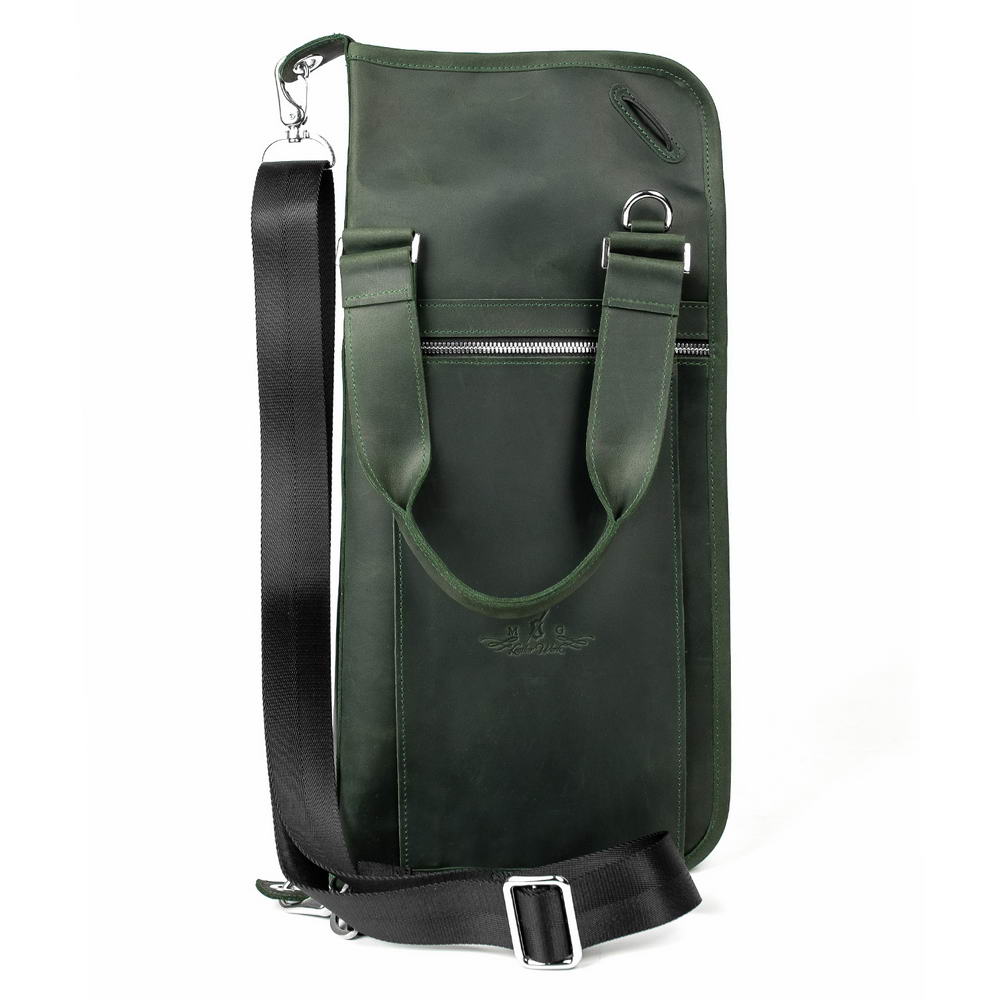
We hope our list of mistakes helps you avoid typical issues that prevent you from progressing or destroy your enjoyment. As a beginner, you will definitely need to care for your drums when traveling from home to school or rehearsal spot. So do not miss our article where we share Tips on Drum Bags and Cases for Travel & Touring.
You can also discover many helpful things in our category of Leather Drumstick Bags & Percussion Accessories.


External Links:
12 Tips I Wish I Knew as a Beginner Drummer
5 Common Mistakes Beginner Drummers Make and How To Avoid Them - YouTube

 https://mgleatherwork.com


Leave a comment
This site is protected by hCaptcha and the hCaptcha Privacy Policy and Terms of Service apply.