

Article: Common Trombone Technique Issues and Solutions
Common Trombone Technique Issues and Solutions
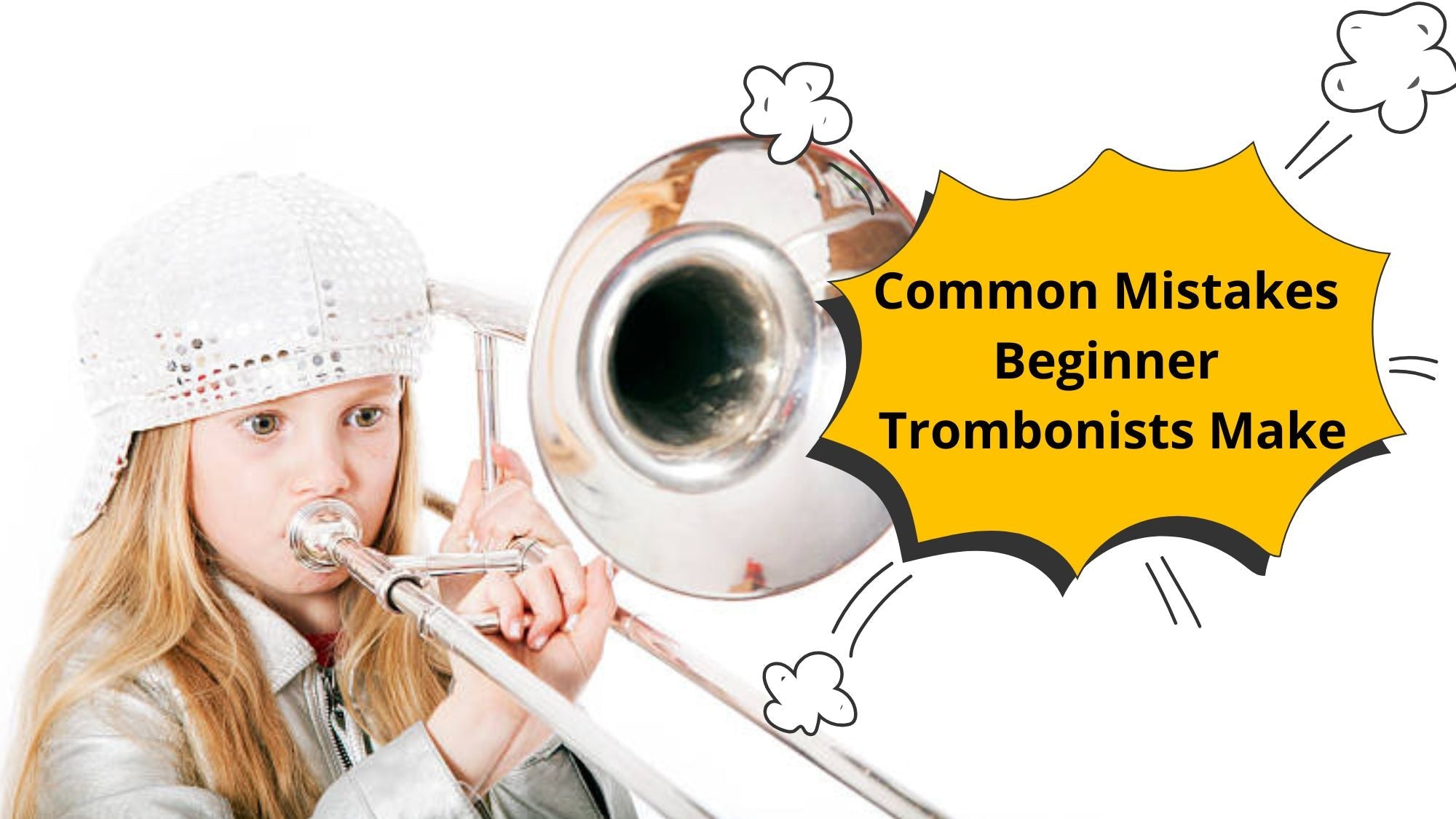
As a beginner who is just learning to play the trombone, you should not only prepare for an adventurous journey into the unknown world but also be ready for many challenges. Your progress will come hand in hand with many issues and mistakes, and that’s natural for every starting musician. In this article, we will explore the most common trombone technique issues and share tips on solving them. This will help you master your instrument with less trouble and get more joy from practice.
Top 7 Things You May Do Wrong When Playing a Trombone
1. Hand Pressure
As the trombone is a large metal instrument, it naturally feels slightly awkward for beginners to hold it. However, pressure is what prevents musicians from playing fluidly and getting the best possible tone.
Typically trombone players have pressure in areas where they hold the instrument. It's especially common for musicians with sweaty hands or those who perform in humid environments. Once the moisturized skin comes into contact with metal, the surface gets slippery and the grip feels insecure. The players try to compensate for this insecure grip with excessive hand pressure that only makes things worse.
How to solve this issue:
You can prevent the direct contact between your skin and the metal by covering it with trombone hand guards. These protective accessories provide you with a non-slip surface and prevent the instrument from slipping.
Also, it’s important to keep a proper playing position. Ensure that you keep your spine tall, not stiff, and your shoulders relaxed. Whether sitting or standing, your weight should stay balanced. Move the trombone to you - not the other way around.

2. Mouthpiece Pressure
What is common for beginner trombone players is putting too much pressure on their mouthpiece every time they put their instrument to their lips. It's especially typical for beginners who play high notes. They often compensate for poor breathing technique by tightening their facial muscles. What’s more, by regularly applying too much pressure to your mouthpiece, you increase the risk of damaging your lips. Sometimes the problem gets so serious that musicians need to interrupt their playing sessions for a while. That’s why it’s important to build awareness of excessive pressure while playing. This will help you break the habit of pressing the mouthpiece too tightly to your lips in time.
How to solve this issue:
Start working on your embouchure by using trombone pressure optimizers -spring-based tools that interrupt the airflow each time there is excessive pressure. They help you stay aware of how you play and help you improve your embouchure technique.

3. Not Recognizing the Partials
Partials refer to playing two notes on the trombone in the same slide position. As a beginner trombone player, you may often start with the note B♭ in first position. If you play B♭ and F, they both will be in the same position but sound different. F will be higher than B♭, which means it’s on a different partial.
How to solve this issue:
To learn to recognize whether you are on the correct partial and do not play too high or too low, do a lip slur. This exercise is based on moving between any two partials without using a tongue.
4. Poor Breathing
Using too little air is another common mistake among younger players. Since air is the most crucial part of playing a trombone, players should know how to breathe properly and ensure that their rib cage moves properly. The right way to breathe is when you let air expand the lower ribs and back without lifting the shoulders.
How to solve this issue:
To have enough air, you need to build your lung capacity. The best way to do it is by playing long tones when you hold the note as long as you can. With each next attempt, you can play them longer, beating your previous record. Pick the note you like, take a big breath, and play. Once you get higher, you will need more air.
5. Incorrect Tonguing
Incorrect tonguing on the trombone results in a lack of control and a poor sound quality. If you cut off the notes with the tongue, it builds pressure in your mouth and throat, preventing you from playing notes with a smooth attack. Also, by doing this, you do not let your diaphragm relax between notes, which leads to unnecessary tension in your body.
How to solve this issue:
Practice a rapid tongue drill exercise, involving going through four steps. First, use a tongue rapidly when saying “ta” or “tu.” Then use just the air to say the same. At the next step, say the same syllables into your mouthpiece. Once you do the previous step well, pick up your instrument, choose your favorite note, and play it.
6. Incorrect Slide Grip
Your slide grip affects how you play your instrument. Since trombone players don’t use valves, they need to learn how to move the slide correctly to get the best sound. A heavy grip usually results in uneven movements, spoiling your intonation, especially when you’re playing legato. An ideal position is when you hold the slide relaxed without overtightening your muscles while you move it.
How to solve this issue:
Learn a few techniques for holding your slide. First is what some YouTubers call a Spock grip (referring to a hand sign used by a Star Trek character), by putting your top two fingers and the thumb on the slide brace while letting your bottom two fingers hang out underneath the bottom of the slide. This position allows you to not overly grip the trombone and prevents pressure in a hand. This technique works best for younger players with small hands for whom it’s difficult to reach out for the furthest position.
Another option is holding your trombone using three fingers above and a pinky below. This allows you to hold the slide with your fingertips and a thumb. With this position, you have more control over the slide. To find your best options, try a few positions and choose what works for you.

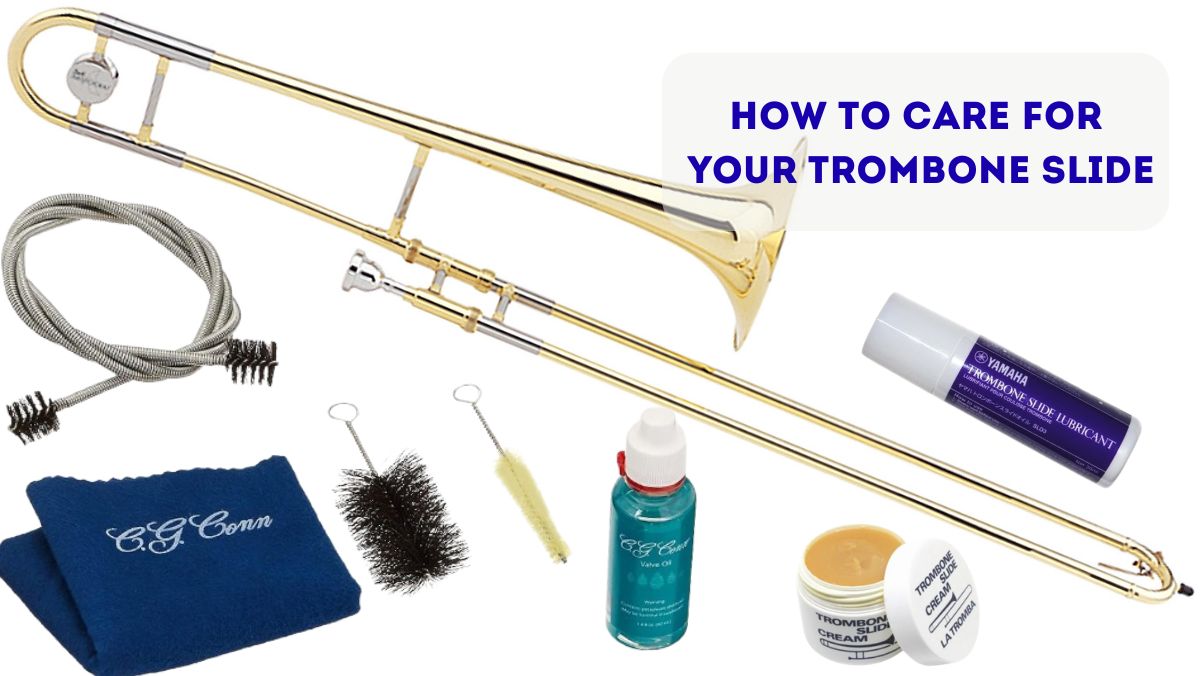
Note: The smooth movement of your slide also depends on how regularly you lubricate it. Ensure you care for your instrument properly and use slide lubricants once your slide feels stuck.
7. Playing with Inconsistent Rhythm
Rhythm refers to whether playing a whole, half, quarter note, or other note takes the proper amount of beat. Tempo refers to how consistently the overall beat is maintained.
How to solve this issue:
To make sure that you have a consistent rhythm, play one note, focusing on the rhythm written on the page in front of you. To improve your tempo, use a metronome, starting at slow options and gradually increasing them to faster ones.

Final Word
We hope our list of common mistakes beginner trombone players make helps you stay aware of what you do wrong and correct those issues on time.
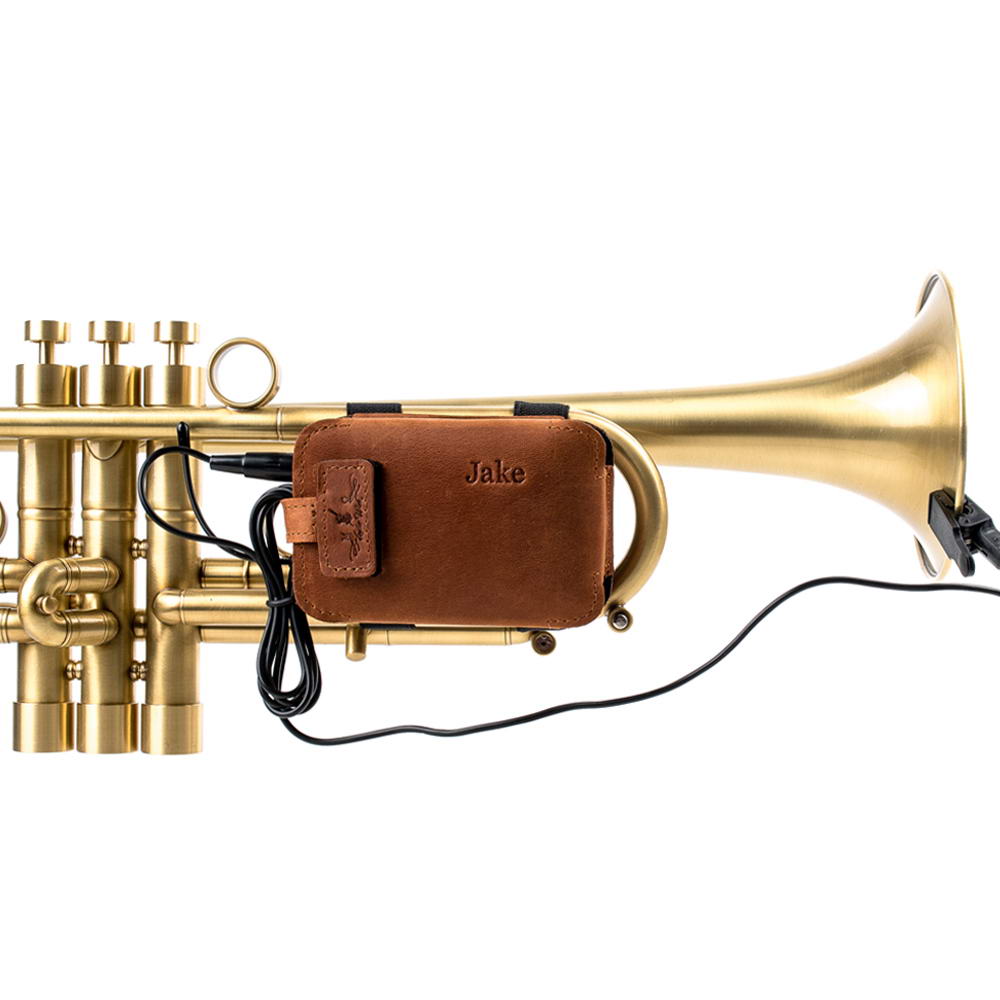
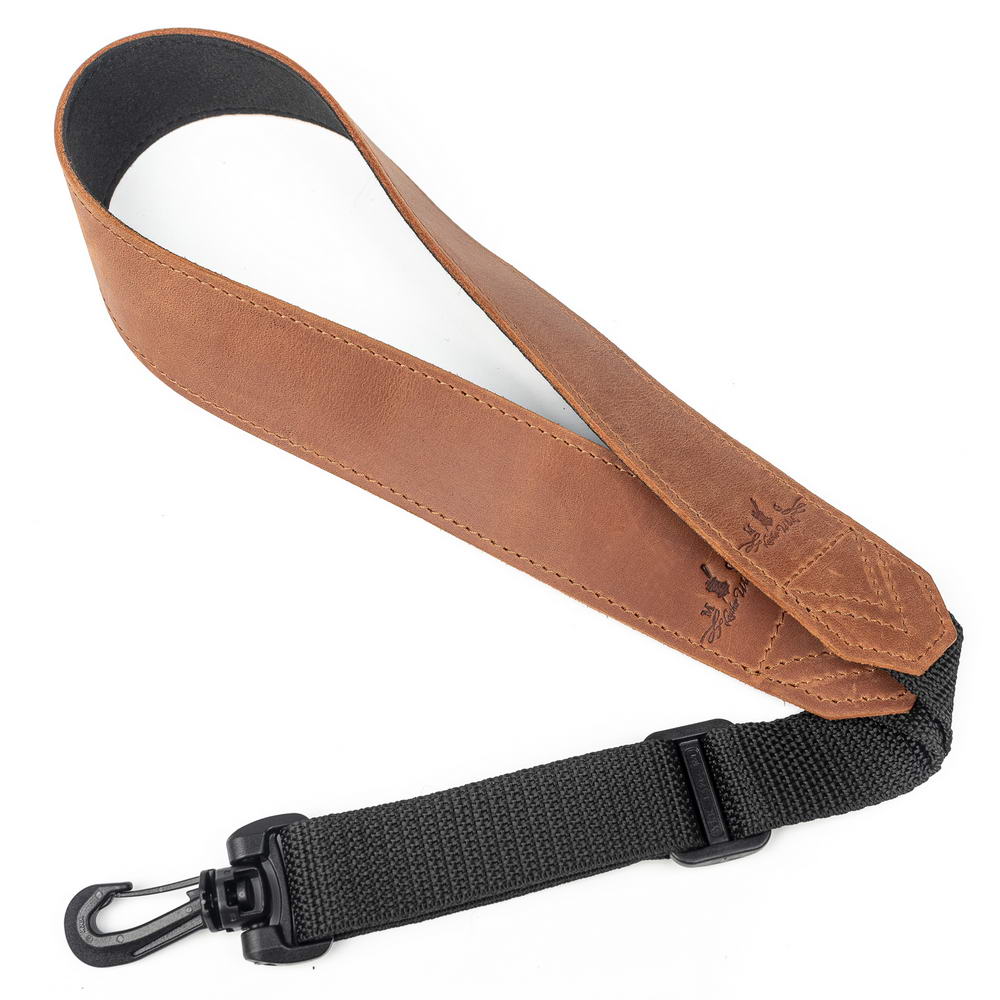
You can find even more helpful accessories for comfortable practice in our category of Leather Accessories for Trombone & Euphonium.
We also invite you to check our article about the Trombone Care Checklist: Practical Tips for Every Player.


External Links:
Beginner Trombone Mistakes to Avoid
How to Achieve a Singing Tone on a Trombone: 6 Practical Tips – KGUmusic

 https://mgleatherwork.com


Leave a comment
This site is protected by hCaptcha and the hCaptcha Privacy Policy and Terms of Service apply.